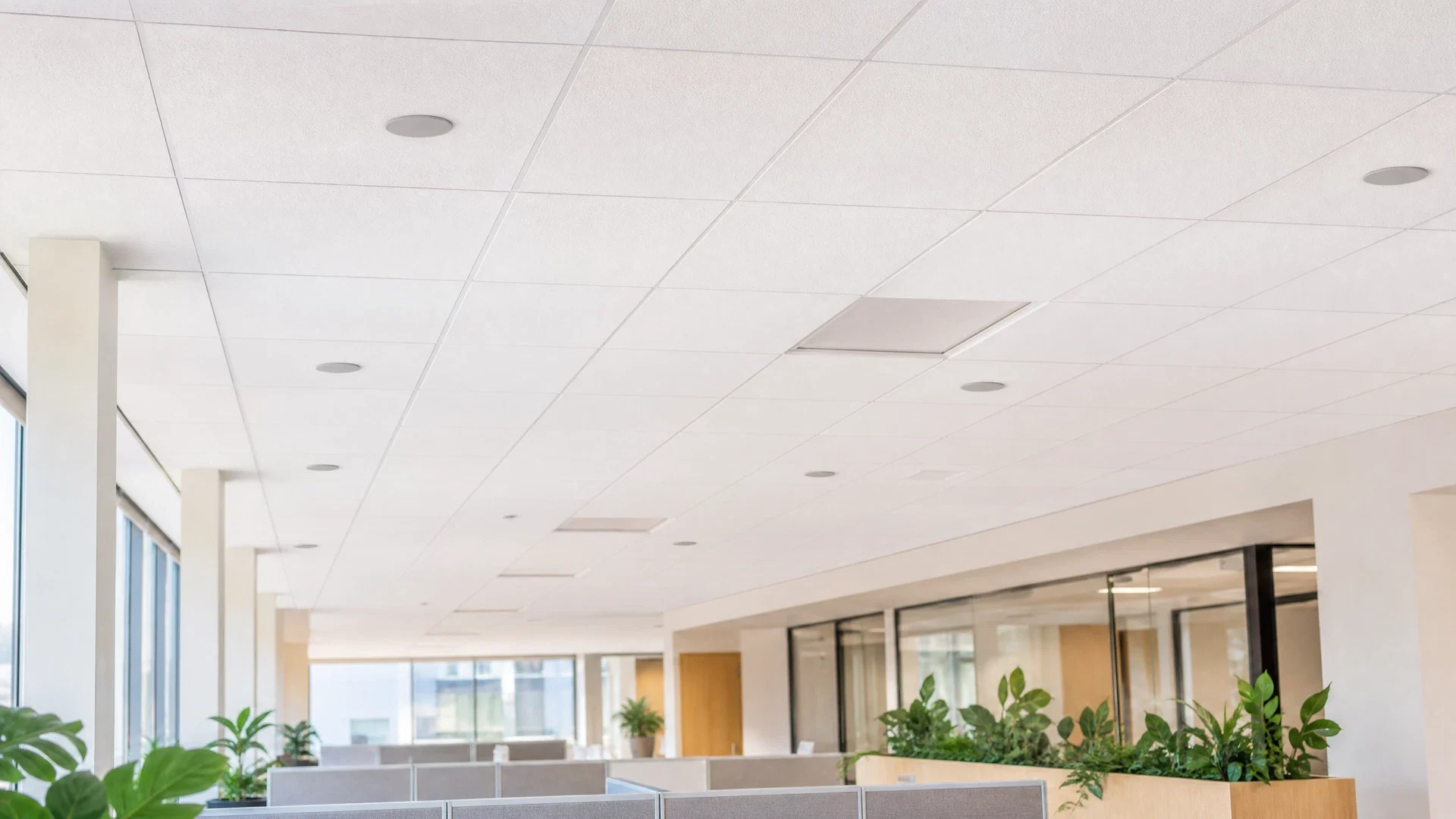
Workspace assessment
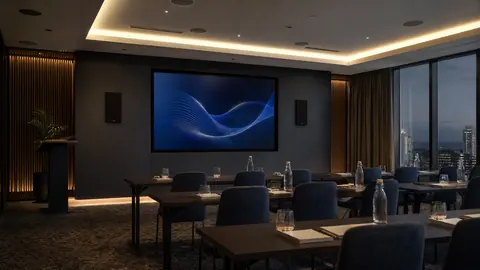
We review layout, ceilings, partitions, occupied areas, adjacent rooms, and the conversations causing distraction or privacy concerns.
Solution
Media Nexus Inc designs, installs and tunes sound masking systems for Atlanta offices and shared workplaces. We plan sound coverage around your ceiling and layout to help reduce distracting conversations and support speech privacy.
What we do
We design and install sound-masking systems for Metro Atlanta and Georgia offices and shared environments where distracting conversations and inconsistent background noise affect focus, comfort, and speech privacy. We review the layout, ceiling conditions, occupied zones, and privacy goals, then plan the emitters, zoning, controls, installation, tuning, and gradual adjustment around the people using the space.
Sound masking addresses how clearly nearby speech can be understood; it does not remove every source of noise. Acoustic treatment addresses reflections and reverberation, while sound isolation depends on construction such as walls and doors. We consider the space and your goals before recommending masking, without promising guaranteed confidentiality or automatic privacy compliance.
In an open-plan office, masking can help make nearby conversations less distracting across shared work areas. Around adjacent offices or consultation areas, carefully planned coverage may support speech privacy alongside appropriate partitions and doors. These are use-case examples: suitability and the required coverage depend on the actual layout, background sound and occupancy.
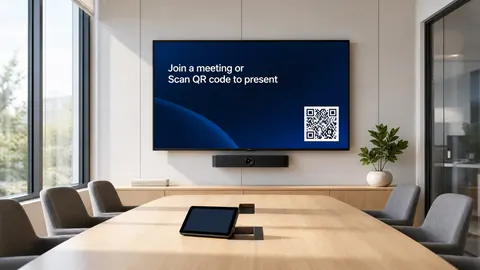
Sound masking can be planned alongside meeting-room AV, paging and background audio. We coordinate coverage and zoning with the way each area is used; any shared controls or integration depend on the selected equipment and supported interfaces, rather than assuming every system can connect.
Media Nexus Inc is authorized by Soft dB, AtlasIED and Lencore. We choose speakers and controls to suit your ceiling, layout and budget—from one work area to a larger workplace. Options for automatic sound adjustment, central control, paging and music depend on the system selected.
Planning around the ceiling? Compare direct-field and plenum sound masking.
Why Media Nexus
Coverage, zoning, controls, installation, tuning, and adjustment are planned around comfort and speech privacy.
Evenly distributed background sound that makes nearby conversations less distracting
Improved speech privacy between open work areas and adjacent offices or consultation spaces
Independent zones that can be tuned around different ceiling conditions and occupancy patterns
Discreet emitters installed above or below the ceiling according to the environment
Measured commissioning and gradual level adjustment for a comfortable transition
Centralized controls that keep daily operation simple and consistent
Coordination with paging, background music, and the broader workplace technology plan
Post-installation adjustment and support as occupancy or workspace layouts change
How we do it
We coordinate layout, ceiling conditions, zoning, commissioning, and gradual adjustment instead of applying one level everywhere.
We review layout, ceilings, partitions, occupied areas, adjacent rooms, and the conversations causing distraction or privacy concerns.
Emitter spacing and independent zones are planned for even coverage across different construction and occupancy conditions.
Emitters, cabling, controllers, and interfaces are installed discreetly and coordinated with the existing ceiling and technology systems.
We tune levels and spectrum by zone, introduce the system gradually, and adjust it as the team becomes accustomed to the new environment.
Who this is for
We adapt coverage and zoning to the conversations, concentration needs, and construction of each environment.
Next step
Tell us about the workspace, ceiling, and conversations causing concern. We'll help determine whether sound masking is the right fit.
Sound masking technologies
The right setup depends on your ceiling, the areas needing coverage and how you want to manage the sound. We explain the options and choose equipment for your needs; not every system offers every feature below.
Small speakers in or below the ceiling send masking sound directly into the work area. This direct-field approach can suit open ceilings or spaces where hidden speakers are not practical. We plan their placement and adjust the sound for even coverage.
Speakers hidden above a suspended ceiling spread sound through the ceiling tiles. Often called indirect or in-plenum masking, this approach keeps equipment out of sight. We check the space above the ceiling and its materials before deciding whether it suits your office.
An open office, hallway and private-office area may need different sound levels. Separate areas, or zones, let us adjust coverage to suit how each space is used. We choose controls with the right capacity for your workplace and any planned expansion.
Some systems can also handle announcements and background music. We plan how those functions work alongside masking, including where they play and how their levels are controlled. Music does not replace steady masking sound, and the available options depend on the selected equipment.
Some systems use sensors to adjust masking as office noise changes over time. Others can follow a schedule for different operating hours. These are separate options—not standard features of every system—and we help choose what suits your workplace.
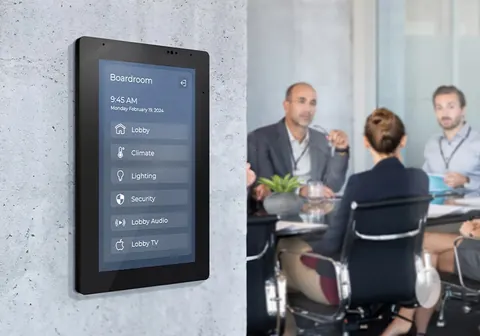
A smaller area may need a simple local control, while a larger workplace may benefit from managing several areas together. Where supported, networked controls make that easier. We check the equipment's capacity, supported connections and future needs before recommending the setup.
FAQ
Practical answers about suitability, speech privacy, ceiling conditions, assessments and system adjustment.
Related solutions
Most environments benefit from more than one coordinated system. These related pages help visitors understand the broader technology picture.